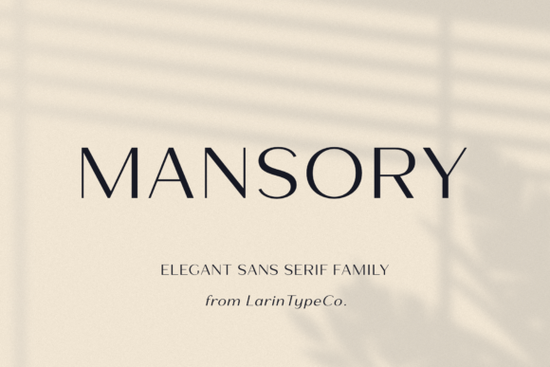
Selecting the right typography is often the first step in creating a visual identity that sticks. For projects requiring a clean and modern look, the Mansory Font offers a lightweight sans serif option that remains highly legible. Its balanced structure makes it suitable for everything from logos to social media graphics. Designers often look for typefaces that do not distract from the main message, and this family fits that need well. Because it is light, it works particularly well in layouts where space is limited but clarity is essential.
Many creative hobbyists and small business owners need assets that are versatile enough to handle different mediums. Whether you are creating a wedding invitation or a tech startup logo, the neutrality of this font allows other design elements to shine. It does not scream for attention, which is sometimes exactly what a layout requires to feel professional and organized.
What industries benefit most from this typeface?
This specific style of typography is frequently used in the lifestyle and wellness sectors. Brands that focus on minimalism, such as skincare lines or interior design blogs, often rely on thin sans serif letters to convey elegance. The light weight suggests sophistication without being overly ornate. Additionally, print-on-demand sellers find success using this style on apparel. When printed on t-shirts or tote bags, the clean lines remain visible even when scaled down.
It is also a strong choice for user interface design. Mobile apps and websites benefit from fonts that are easy to read on small screens. The spacing between characters in this family is generally open enough to prevent crowding. If you are exploring options for a digital product, you might compare this against similar lightweight styles to see which kerning works best for your specific interface requirements.
How does it perform in print versus digital?
One common concern when choosing a light font is readability in print. Thinner strokes can sometimes disappear when printed on textured paper or at low resolutions. However, this typeface is designed to maintain its structure across different outputs. For high-quality stationery or business cards, it provides a crisp edge. In digital formats, it renders well on retina displays where fine details are preserved.
When using this for web headers, ensure there is enough contrast between the text and the background. Light fonts can struggle against busy images. A solid color background usually works best to maintain accessibility standards. If you need to see more variations or weights within this family, you can view the full family details to ensure you have the right file formats for your project pipeline.
What are the best pairing options?
Because this sans serif is so neutral, it pairs well with almost anything. A common strategy is to combine it with a bold serif font for headings. This creates a contrast in weight that guides the reader's eye through the content. Alternatively, pairing it with a handwritten script can add a personal touch to branding materials. The key is to ensure the script is not too thin, or else both fonts might get lost together.
For corporate documents, keeping it monochromatic often works best. Using different weights of the same family creates hierarchy without introducing visual clutter. If you are building a brand guide, limit your palette to two or three typefaces maximum. This ensures consistency across all marketing materials, from email signatures to packaging labels.
Where can creators access the files?
Accessibility and licensing are critical for commercial projects. Before downloading, always check the license agreement to ensure it covers your intended use, especially for merchandise intended for sale. Most quality font families come with a desktop license and a web license. You can find the official Mansory Font files through authorized marketplaces that verify creator rights. This ensures you are supporting the designer and protecting your business from legal issues down the line.
File formats usually include OTF, TTF, and sometimes WOFF for web use. Having access to multiple formats ensures compatibility across different operating systems and design software. Always install the font on your local machine before starting a major project to test how it interacts with your specific workflow.
Practical Checklist for Using This Font
- Check Licensing: Verify if the license allows commercial use for print-on-demand items.
- Test Contrast: Ensure the light weight is visible against your chosen background colors.
- Pair Wisely: Combine with a heavier font for headings to create visual hierarchy.
- Review Spacing: Adjust kerning and leading if the text feels too loose or too tight.
- Export Correctly: Save files in the appropriate format (PNG, PDF, SVG) for your final output.
Taking these steps ensures that the typography enhances your design rather than complicating it. By focusing on legibility and proper licensing, you can build a portfolio that looks professional and stands the test of time.
 Sweet Home Font for Modern Design Projects
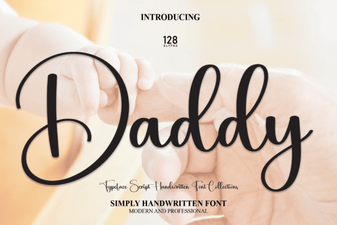 Daddy Font Style Guide & Free Download
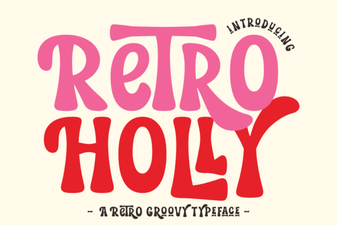 Retro Holly Fonts for Vintage Web Design
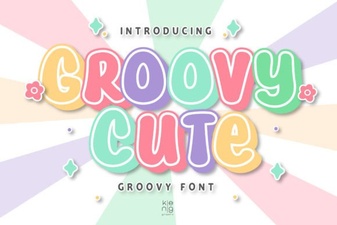 Groovy Cute Fonts for Creative Projects & Designs
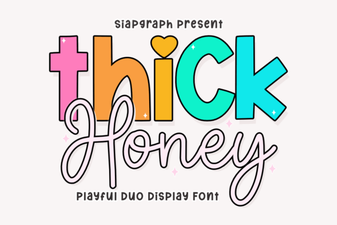 Thick Honey Duo Font: Pairing & Design Tips
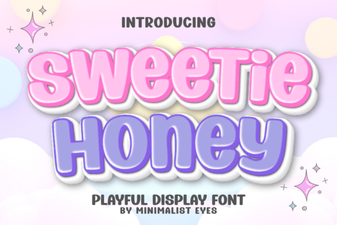 Sweet Honey Font: Crafting Warm & Welcoming Designs