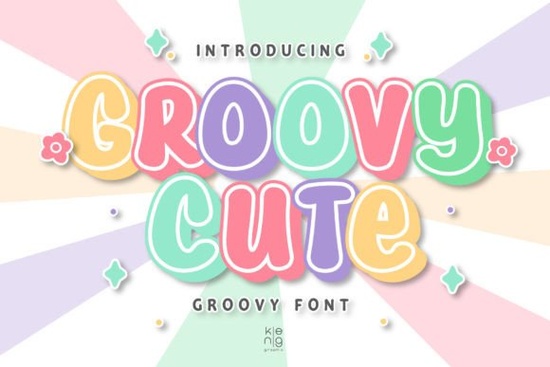
Finding the right typography for a project often comes down to the vibe you want to share. If you are looking for something that feels young, brave, and full of energy, the Groovy Cute Font is a strong contender. This display typeface brings a great punch to any design, making sure that everything written in it gets noticed immediately. It is not just about looking nice; it is about capturing attention in a crowded space, whether that is on a social media feed or a physical product.
Designers and crafters often struggle to find letters that balance fun with readability. This specific font manages to keep things legible while adding a lot of personality. It works well for projects that need to feel approachable and lively. When you are building a brand or creating a one-off gift, the typography sets the tone before the customer even reads the message.
What kind of projects fit this style best?
Because this typeface has such a distinct character, it shines in specific areas. It is built for display purposes, meaning it works best in headlines, titles, and short phrases rather than long body text. You might consider using it for comic book styles where the text needs to feel dynamic and expressive. Online games also benefit from this look, as it adds to the immersive experience without feeling too serious.
For print-on-demand sellers, this is a valuable asset for love shirts or casual wear. The youthfulness of the letters appeals to a younger demographic or anyone looking to add a bit of courage to their outfit. Posters and movie titles are another great fit. If you are creating content for social media, using this font can make your posts stand out against the standard sans-serif options everyone else uses. It turns a simple quote into an eye-catching graphic.
How does it compare to other display options?
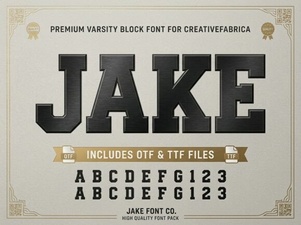
When choosing a display font, it helps to know how it sits alongside other popular styles. If you need something with more structured geometry, you might look at options like blocky stacked lettering. Those types of fonts feel more rigid and industrial. In contrast, this groovy style flows with more organic curves and personality.
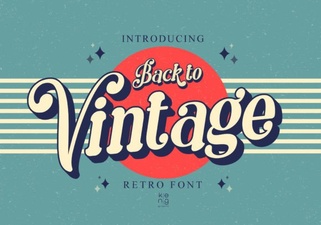
Sometimes you need something thicker for heavy impact. In those cases, designers often browse through thick chunky displays to get that weight. However, chunky fonts can sometimes feel too heavy for playful designs. The groovy aesthetic keeps things light while still maintaining presence. If you are working on something seasonal, you might consider vintage holiday aesthetics, but those are limited to specific times of the year. A groovy font remains relevant all year round.
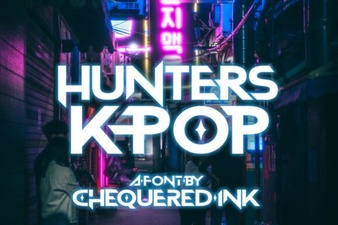
For those interested in modern pop culture influences, checking out energetic K-pop style typography can show you how bold letters are used in music marketing. While that style is very specific to entertainment, the font we are discussing here is more versatile for general crafting. You can also explore more variations within this specific groovy style collection to see if there are alternate weights or glyphs that fit your specific layout needs.
What are the best practices for pairing?
Using a strong display font means you need to support it with something quieter. Do not try to pair it with another loud font. Instead, choose a simple sans-serif or a clean serif for your body text. This creates a hierarchy where the headline grabs attention and the supporting text provides the details. Keep the line spacing open when using this font. Crowding the letters can reduce the impact of the unique shapes.
Color choice matters too. Since the shapes are bold, they can handle bright colors or high-contrast combinations. White text on a dark background often works well to make the letters pop. Conversely, dark text on a pastel background can soften the look for a more gentle appeal. Always test your design at different sizes. What looks good on a poster might need adjustment when shrunk down for a mobile screen.
Is this font right for your business?
If your brand identity relies on being serious, corporate, or minimalist, this might not be the best fit. However, if you are targeting creatives, children, or a lifestyle audience, it aligns perfectly. Small businesses selling handmade goods often benefit from typography that feels human and crafted. It adds a layer of warmth that standard computer fonts lack. It signals to the customer that care went into the design.
Remember that licensing is important when using fonts for commercial products. Always check the specific terms attached to the download. Most creative marketplaces allow use on physical end products like shirts and mugs, but digital resale might have different rules. Ensuring you are compliant protects your business from future issues.
Quick Checklist Before You Start
- Check Legibility: Ensure the text is readable at the size you plan to print.
- Pair Wisely: Use a simple font for body text to balance the display header.
- Verify License: Confirm you have the right to use the font for commercial sales.
- Test Colors: Try high-contrast combinations to maximize the punchy style.
- Review Spacing: Adjust kerning if any letters feel too close or too far apart.
Taking these steps ensures your final product looks professional and intentional. Whether you are making a poster for a local event or designing a new line of apparel, the right typography does the heavy lifting for you. Start with a sketch, apply the font, and see how the mood of the design changes. With the right tools, your creative projects can capture the attention they deserve.
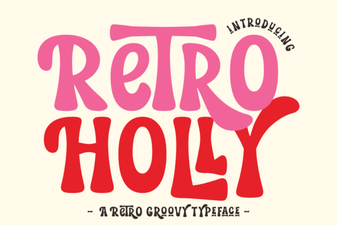 Retro Holly Fonts for Vintage Web Design
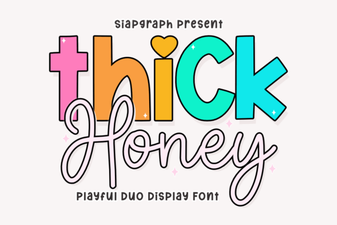 Thick Honey Duo Font: Pairing & Design Tips
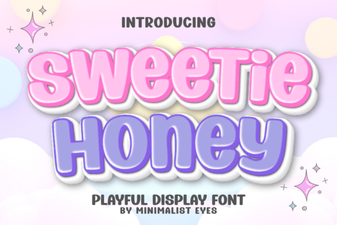 Sweet Honey Font: Crafting Warm & Welcoming Designs
 Craft a Vintage Font for Retro-Inspired Designs
 Hunters Font: Creative K-Pop Design Projects
 Jake Font: Typography for Modern Digital Projects