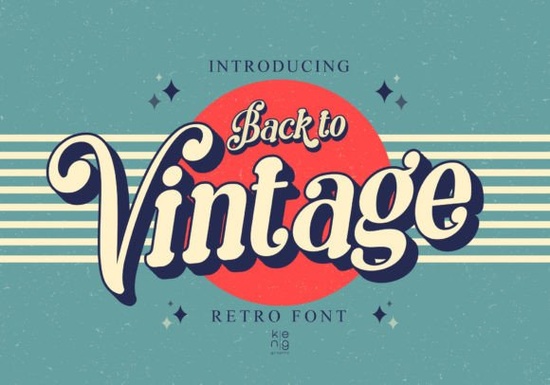
Design trends often cycle back to previous decades, and right now, the nostalgia for the 60s, 70s, and 80s is stronger than ever. If you are looking to capture that specific era in your work, the Back to Vintage Font offers a reliable way to do it. This typeface brings a soft, rounded aesthetic that feels familiar yet fresh. It is designed to grab attention immediately, making it a solid choice for projects that need a distinct personality without feeling overly complicated.
Many creators struggle to find typography that balances readability with style. Retro designs can sometimes be too decorative to read easily. However, this display font manages to keep the unique shapes of vintage lettering while ensuring the corners are softer and more rounded. This makes it versatile enough for both digital screens and printed materials. Whether you are creating a logo for a coffee shop or a graphic for a t-shirt, the goal is to make sure the text communicates the mood instantly.
What makes this typeface stand out from others?
The primary appeal lies in its inspiration. Drawing from the typography of the mid-to-late 20th century, it avoids the sharp edges often seen in modern sans-serif fonts. Instead, it embraces curves. This unique shape helps it stand out on crowded social media feeds or busy marketplace listings. When viewers see these rounded forms, they often associate them with warmth and approachability. This is crucial for small businesses wanting to appear friendly and accessible.
Another factor is its recognizability. Anything written in this style becomes instantly identifiable as retro. You do not need to add extra textures or distress effects to make it look old-fashioned; the font structure does the heavy lifting. This saves time during the design process. You can focus on layout and color rather than trying to force a modern font to look vintage.
Where does this style work best?
Understanding where to apply this font is key to getting good results. It is a display font, which means it is intended for headings and short bursts of text rather than long paragraphs. Here are some practical applications:
- Print on Demand: Use it for t-shirt slogans or mug designs where a single phrase needs to pop.
- Logo Design: Ideal for brands in the food, beverage, or boutique sectors that want a classic feel.
- Social Media Graphics: Great for Instagram quotes or sale announcements that need to stop the scroll.
- Packaging: Works well on labels for artisanal products like jams, soaps, or craft beers.
For those interested in exploring more options within this niche, you might consider looking at this specific design to see the full character set. It helps to visualize how the letters connect and flow before committing to a purchase.
Which other typefaces complement this look?
While this font is strong on its own, pairing it with other styles can create a more dynamic composition. You rarely want to use a display font for everything. Mixing it with a simpler sans-serif or a clean serif can create hierarchy. If you are building a brand kit, having a few options is helpful.
For example, if you want something with a bit more bounce, you could explore Motcha as an alternative header option. If you need something heavier for impact, Thick Honey Duo provides a bold contrast. For holiday-specific projects, Retro Holly offers a seasonal twist on the same vibe. Finally, if you want something that feels a bit more fluid, Groovy Melt captures that liquid retro aesthetic perfectly.
When pairing fonts, keep the contrast in mind. If your main headline is rounded and thick, choose a body font that is thinner and simpler. This ensures the viewer knows where to look first. You can find more information about typography history to understand why certain pairings work well together based on design principles.
Is it suitable for commercial projects?
Most designers need to know if a font can be used for client work or products they intend to sell. Typically, fonts found on major marketplaces come with licenses that allow for commercial use, but you should always check the specific terms. For print-on-demand sellers, this is critical. You need to ensure you are allowed to use the typeface on physical goods that you profit from.
Using a licensed font protects your business from legal issues down the line. It also supports the creators who spend hours drawing each character. When you download a font like Back to Vintage, you are investing in a tool that helps you build your own brand identity. Always keep a record of your licenses in a dedicated folder so you can reference them if a platform asks for proof of rights.
Quick Checklist for Using Retro Fonts
Before you finalize your design, run through these simple steps to ensure quality:
- Check the kerning between letters to avoid awkward gaps.
- Test the font at different sizes to ensure it remains readable.
- Verify the license covers your intended use (web, print, or merchandise).
- Pair with a neutral color palette to let the typography shine.
- Save a version with outlined text to prevent font substitution issues.
Starting with a strong typographic foundation makes the rest of the design process smoother. By choosing a style that already carries the right mood, you reduce the amount of extra decoration needed. Keep your layouts clean, let the letters do the talking, and your audience will connect with the message faster.
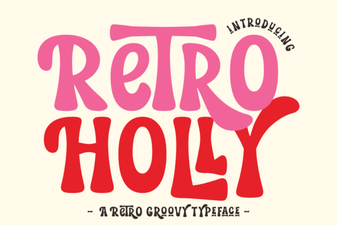 Retro Holly Fonts for Vintage Web Design
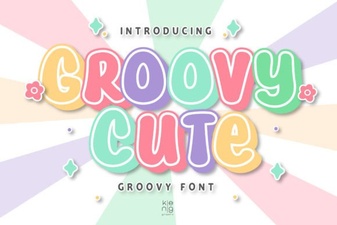 Groovy Cute Fonts for Creative Projects & Designs
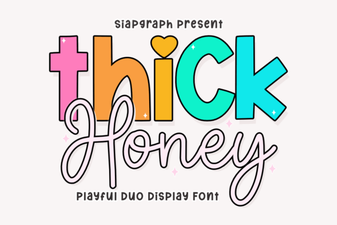 Thick Honey Duo Font: Pairing & Design Tips
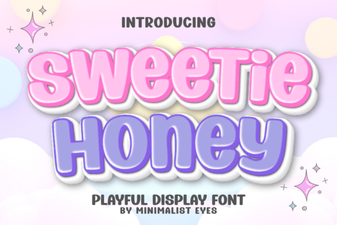 Sweet Honey Font: Crafting Warm & Welcoming Designs
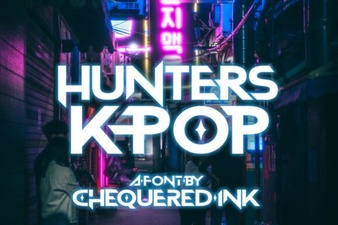 Hunters Font: Creative K-Pop Design Projects
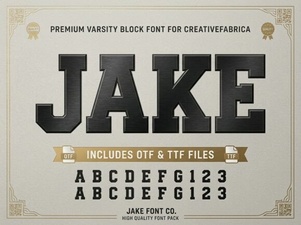 Jake Font: Typography for Modern Digital Projects