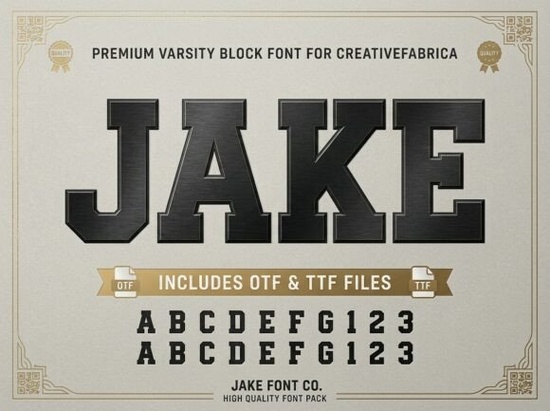
When you need a typeface that commands attention immediately, few styles work as well as a classic varsity block design. The Jake Font brings that specific energy to your digital and print projects, capturing the timeless spirit of high school and university athletics. It is engineered with sharp slab serifs and heavy solid weights, making it an unbeatable choice for sports jersey numbering, team branding, and gym apparel. Whether you are designing for a local club or a national league, this typeface delivers a look that is both disciplined and powerful.
Designers often struggle to find bold fonts that remain legible at smaller sizes or on textured materials. This specific style solves that problem by maintaining classic collegiate proportions. The thick strokes ensure that text remains readable even when printed on fabric or viewed from a distance on a poster. If you are working on a project that requires high impact, this is a reliable tool to have in your library.
What makes this typeface suitable for sports branding?
Sports branding relies on instant recognition and a sense of strength. The slab serifs found in this font family provide a stable base that feels grounded and authoritative. Unlike script or thin sans-serif options, block letters convey durability. This is why you see them on uniforms and stadium signage so frequently. When you apply this style to a logo, it suggests that the team or organization is established and serious about performance.
For those interested in the history of this typography style, you can read more about slab serif classifications to understand how they evolved from 19th-century advertising into modern sports design. Understanding the roots of these shapes helps you apply them more effectively in your own work. It is not just about picking a bold font; it is about choosing one that carries the right cultural weight.
Beyond just sports, this aesthetic works well for any brand wanting to project confidence. Gym owners, fitness coaches, and event organizers often need graphics that pop on social media feeds. The heavy weight of the letters ensures they stand out against busy backgrounds or photographic elements. You can pair it with simpler sans-serif fonts for body text to create a balanced hierarchy.
Where else can you apply this bold style?
While athletics are the obvious choice, the versatility of block lettering extends much further. High-impact event posters benefit from the clear structure, allowing dates and locations to be read quickly. Merchandise sellers using print-on-demand services will find that these shapes translate well to embroidery and screen printing. The solid lines hold up better than intricate details when stitched onto caps or hoodies.
If you enjoy exploring different vibes within the display category, you might consider how this compares to other options. For instance, if you need something with a bit more retro flair for a vintage-themed shop, you could explore the back to vintage collection. That style offers a different kind of nostalgia, focusing more on worn textures and classic advertising looks rather than clean athletic lines.
Similarly, if your project requires something slightly softer but still bold, there are other chunky options available. The Harlow Chunky style provides a different weight distribution that might suit playful branding better than strict collegiate designs. Knowing when to switch between these styles is key to matching the font with the client's personality.
How does it compare to other display options?
Choosing the right display font depends heavily on the audience you are trying to reach. A varsity style appeals to tradition and energy. However, modern streetwear or pop culture projects might need something trendier. For those looking at current music or youth culture trends, the Hunters K-Pop selection offers a more contemporary edge that resonates with younger demographics.
On the other end of the spectrum, some projects require a touch of elegance mixed with boldness. If you are designing for a boutique or a lifestyle brand that wants to feel approachable yet strong, you might look at the Hello Angela display fonts. These options often incorporate more fluid curves while maintaining visibility, offering a bridge between strict block letters and friendly scripting.
For the specific product discussed here, you can view the full character set and licensing details on the Jake Font product page. Reviewing the glyph map is important to ensure it includes the special characters or numerals you need for your specific design layout. Some varsity fonts lack lowercase letters or specific punctuation, so checking the file contents beforehand saves time during the design process.
What should you consider before downloading?
Before adding any new typeface to your workflow, think about where it will live. Will it be used primarily on screens or in print? Digital displays often render heavy weights differently than physical ink. Test your designs on multiple devices to ensure the spacing remains consistent. Also, consider the license terms if you are creating products for sale. Most premium fonts allow commercial use, but it is always wise to double-check the restrictions regarding print-on-demand items.
Organization is also crucial when managing a large library of design assets. Keep your font files labeled clearly by style and weight. This makes it easier to locate the right tool when you are under a deadline. Creating mockups early in the process helps visualize how the type interacts with colors and textures.
- Check Legibility: Ensure the text is readable at small sizes on mobile devices.
- Verify Licensing: Confirm commercial rights for merchandise and digital ads.
- Test Pairings: Try combining with a simple sans-serif for body copy.
- Review Glyphs: Look for necessary symbols, numbers, or alternate characters.
- Export Formats: Save files in high-resolution PNG or vector formats for clients.
Start by downloading the sample file and typing out your actual project text. Seeing your own words in the typeface is the best way to decide if it fits the mood you want to create. Once you are confident, integrate it into your brand kit and maintain consistency across all your materials.
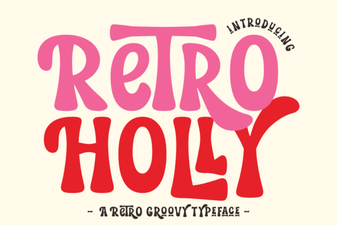 Retro Holly Fonts for Vintage Web Design
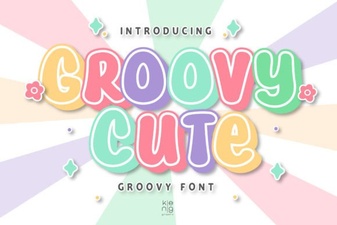 Groovy Cute Fonts for Creative Projects & Designs
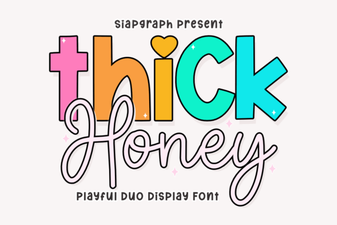 Thick Honey Duo Font: Pairing & Design Tips
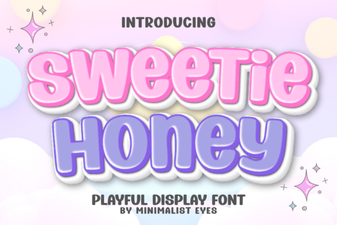 Sweet Honey Font: Crafting Warm & Welcoming Designs
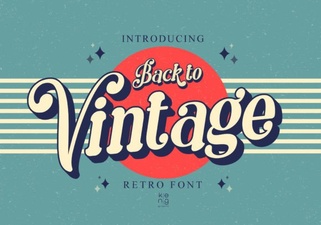 Craft a Vintage Font for Retro-Inspired Designs
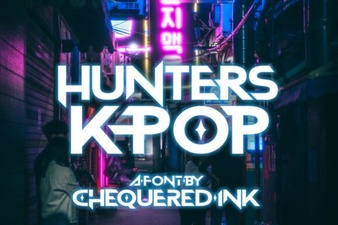 Hunters Font: Creative K-Pop Design Projects