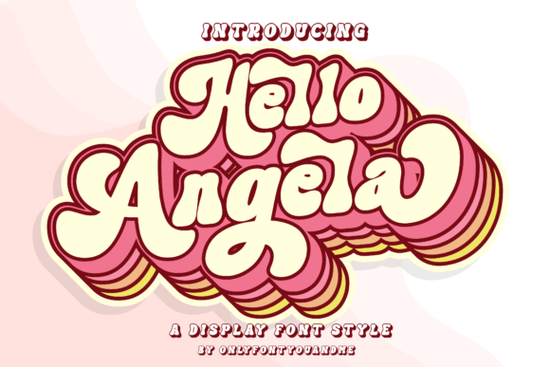
Finding the right typeface for a project often comes down to personality. You need something that grabs attention without sacrificing readability. The Hello Angela Font is a great example of a display typeface that balances fun with function. It is designed specifically for headlines, branding, and creative projects where you want the text to stand out. If you are a designer or a craft seller looking for a fresh look, this style offers a lot of versatility.
Display fonts like this are built to be used at larger sizes. They work well on logos, magazine covers, and print-on-demand products. What makes this option particularly useful is the technical setup. It comes PUA encoded. This might sound technical, but it simply means you can access all the special characters and alternate glyphs easily. You do not need complex software tricks to use the extra features. Everything is mapped correctly so you can focus on designing.
Why does PUA encoding matter for designers?
When you download a new typeface, you expect the special characters to work immediately. PUA (Private Use Area) encoding ensures that every glyph and alternate version of a letter is accessible through your font menu. Without this, you might need to use a specific character map tool to find the right swash or alternate letter. With Hello Angela Font, you can switch between styles directly in programs like Photoshop, Illustrator, or Canva.
This saves time during the creative process. If you are creating a logo, you might want to try a few different versions of the same letter to see which flow works best. Having these options at your fingertips allows for quicker iteration. It also reduces frustration for beginners who might not know how to access hidden characters in standard fonts. For small business owners handling their own branding, this ease of use is a significant advantage.
Where should you use this typeface in your projects?
Not every font works for every medium. This specific style shines in areas where you need impact. It is ideal for headlines on websites or blog graphics. Because it has a distinct personality, it helps set the tone for your brand immediately. If you are selling t-shirts or mugs, this typeface can be the main feature of the design. It reads well on fabric and ceramic when sized correctly.
Branding is another strong use case. A unique display font helps your business look distinct from competitors. You might use it for your main logo mark or on packaging labels. However, it is best to pair it with a simpler sans-serif font for body text. This ensures that long paragraphs remain easy to read while the headlines carry the visual weight. For more ideas on pairing, you can check our archive on vintage styles to see how different weights work together.
How does it compare to other vintage styles?
There are many display fonts available, and each has a different vibe. Some lean heavily into retro aesthetics, while others feel more modern. If you enjoy the look of Retro Holly Font, you will likely appreciate the playful nature of this typeface. Both offer a sense of nostalgia but keep things clean enough for modern use. Similarly, the Motcha Font provides a bold alternative if you need something with heavier weight.
For those who prefer a slightly rougher edge, the Jake Font might be worth exploring. It offers a different texture that works well for rugged branding. On the other hand, if you want something classic, the Back to Vintage Font captures a traditional feel. We have discussed these options in our category breakdown for those who want to see them side by side. Choosing between them depends on the specific emotion you want your design to convey.
Is this suitable for small business branding?
Yes, unique typography is a key part of brand identity. Using a distinct font helps customers recognize your materials quickly. Whether you are designing business cards or social media posts, consistency is key. This typeface provides enough alternates to keep your content looking fresh without changing your core identity. You can use different glyphs for different campaigns while maintaining the same overall look.
It is also important to consider licensing. Most fonts on creative marketplaces come with licenses that allow commercial use, but you should always check the specific terms. This ensures you can use the font on products you sell without legal issues. For crafters using cutting machines, these files usually work well with standard design software that exports SVG or PNG files.
What should you check before installing?
Before you start designing, make sure your software is up to date. Older versions of design programs might not support all the PUA encoded features correctly. Install the font on your system and restart your applications to ensure it appears in your font list. Test the alternates immediately to confirm they are accessible. If you run into issues, checking the product details page often provides specific installation tips or support contacts.
Organization is also helpful. Keep your font files in a dedicated folder. If you download multiple styles, name them clearly so you can find them later. This saves time when you are in the middle of a project and need to switch typefaces quickly. Good file management is a simple habit that improves your workflow significantly over time.
- Check Compatibility: Ensure your design software supports OpenType features.
- Test Glyphs: Open the font map to see all available alternates before starting.
- Pair Wisely: Use a simple font for body text to balance the display style.
- Review License: Confirm commercial use rights for print-on-demand products.
- Backup Files: Keep a copy of the original download in a safe location.
Starting with a solid typeface foundation makes the rest of the design process smoother. Take time to experiment with the alternates to find the perfect combination for your headline. Once you settle on a style, stick with it across your branding materials for a cohesive look.
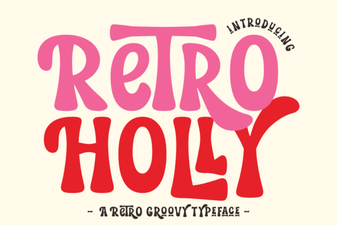 Retro Holly Fonts for Vintage Web Design
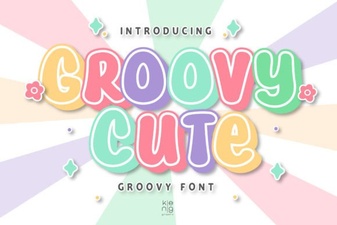 Groovy Cute Fonts for Creative Projects & Designs
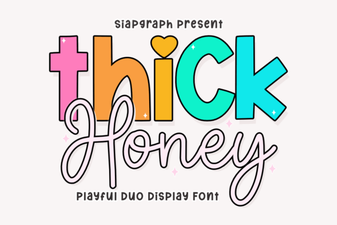 Thick Honey Duo Font: Pairing & Design Tips
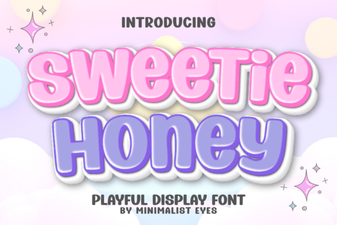 Sweet Honey Font: Crafting Warm & Welcoming Designs
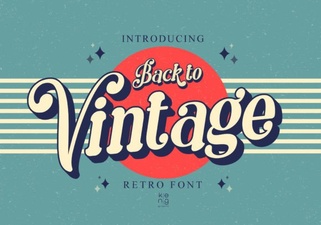 Craft a Vintage Font for Retro-Inspired Designs
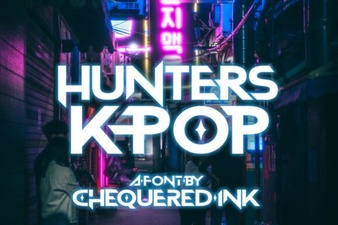 Hunters Font: Creative K-Pop Design Projects