
Finding the right typography for a project often comes down to clarity and versatility. When you need a typeface that stays out of the way while still adding character, a minimal sans serif is often the best choice. The Sweet Home Font is designed exactly for this purpose. It offers a neat structure that works well across various media, from digital screens to physical prints. If you are looking for something clean that does not distract from your main message, this style fits the bill.
Many creators struggle to find balance between modern aesthetics and readability. This typeface solves that by keeping strokes uniform and shapes simple. It is particularly useful for small businesses that need consistent branding across different platforms. Whether you are designing a logo or creating social media graphics, having a reliable base font saves time during the design process.
What kinds of projects suit minimal typography?
Minimal fonts are incredibly versatile because they do not impose a strong mood on their own. This allows them to adapt to the context of your project rather than defining it. For print-on-demand sellers, this is crucial. You might be selling mugs, t-shirts, or tote bags where the design needs to be legible from a distance. A clean sans serif ensures that text remains readable even when printed on curved surfaces or textured fabrics.
Crafters also benefit from this style when using cutting machines. Simple lines reduce the risk of weeding errors with vinyl. If you are creating home decor signs or wedding invitations, the neatness of this font helps maintain a professional look without requiring extensive customization. You can view the details on the product page to see specific use cases and examples provided by the creator.
Small business owners often need to produce invoices, business cards, and packaging labels quickly. Using a versatile typeface means you do not need to switch fonts for every new document. Consistency builds trust with customers. When your branding looks cohesive, it signals professionalism and attention to detail. This is why many designers keep a few reliable sans serif options in their toolkit for everyday tasks.
How should you pair this style with other typefaces?
Pairing fonts can be tricky if you do not understand contrast. Since this font is neutral, it pairs well with both scripts and heavier display fonts. If you want to create a hierarchy in your design, use this minimal style for body text and a more decorative font for headlines. This combination guides the viewer's eye through the content without causing visual fatigue.
Sometimes, you might want to stick to sans serifs only. In that case, look for a companion font that has slightly different proportions. For example, you could combine this neat style with a geometric sans for headings. If you are exploring other options, you might consider the Mansory Font as a potential complement. It shares a modern feel but offers enough variation to create interest when used together.
When testing pairs, always check the x-height. If the lowercase letters are vastly different in size, the text block will look uneven. Print out a sample at actual size to see how they interact physically. Digital screens can sometimes hide spacing issues that become obvious on paper. You can also check out this alternative to compare weights and styles side by side before making a final decision.
What file formats should you expect?
Most professional font downloads include multiple file formats to ensure compatibility across different operating systems. Typically, you will receive OTF and TTF files. OTF files often support more advanced typographic features, such as ligatures or alternate characters, which can add subtle flair to your work. TTF files are widely supported and work well on older systems or specific crafting software.
Before purchasing, always review the license agreement. Some licenses allow personal use only, while others permit commercial projects. If you plan to sell products featuring this typography, you need a commercial license. Read the terms carefully to understand limits on the number of sales or types of products allowed. Protecting your business from legal issues is just as important as the design itself.
Installation is usually straightforward. On Windows, you can right-click the file and select install. Mac users can double-click the file and use the Font Book app. Remember to restart your design software after installation so the new typeface appears in your font list. If you do not see it immediately, check the font management settings within your application.
Quick Checklist Before You Start Designing
- Verify the license: Ensure you have the right permissions for commercial use if you plan to sell items.
- Test readability: Print a sample at the intended size to check legibility on physical materials.
- Check kerning: Adjust spacing between specific letter pairs if the default setting looks too loose or tight.
- Backup files: Save the original download folder in a cloud storage service to prevent loss.
- Explore alternatives: Look at similar styles to ensure you have the best option for your specific project needs.
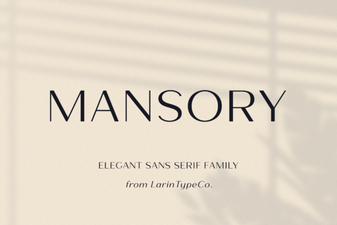 Where to Use Mansory Font in Creative Projects
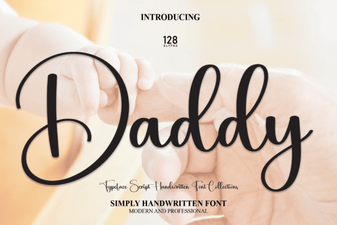 Daddy Font Style Guide & Free Download
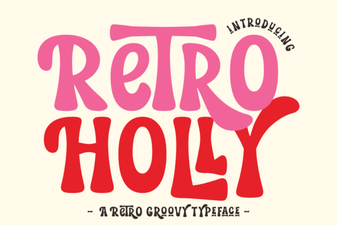 Retro Holly Fonts for Vintage Web Design
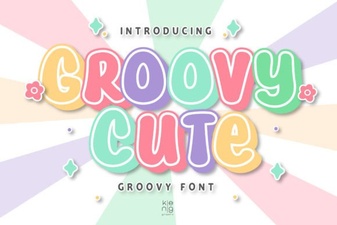 Groovy Cute Fonts for Creative Projects & Designs
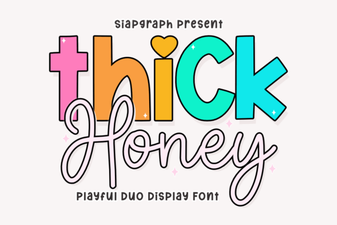 Thick Honey Duo Font: Pairing & Design Tips
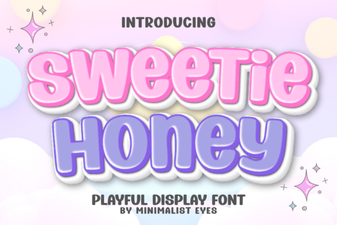 Sweet Honey Font: Crafting Warm & Welcoming Designs