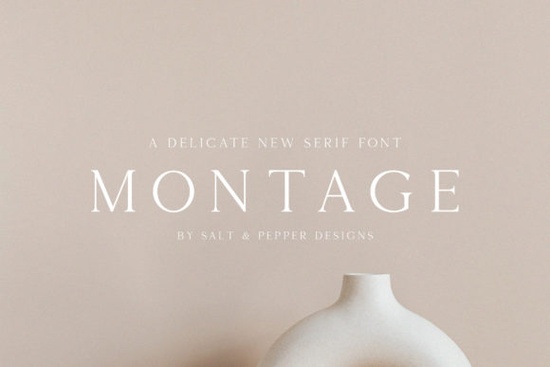
When you need a typeface that whispers luxury rather than shouting for attention, finding the right serif can be challenging. The Montage Font offers a solution for designers seeking elegance without excessive ornamentation. This thin-lettered serif brings an authentic feel to projects ranging from wedding invitations to high-end branding packages. It is designed to add a subtle spark of sophistication, making it a reliable choice for creatives who value clean lines and classic structures.
Many crafters and small business owners struggle to find fonts that look professional on both print and digital media. This typeface bridges that gap effectively. Its thin strokes remain legible even when scaled down, provided there is enough contrast against the background. Whether you are creating logos for a boutique shop or designing packaging for handmade goods, the authentic letterforms help establish trust and quality.
What Makes This Serif Style Unique?
The defining characteristic of this font is its delicate weight. Unlike bold slab serifs that dominate a layout, this style sits quietly in the background while still maintaining presence. The thin lettering creates a sense of space and airiness, which is essential for modern luxury designs. It avoids the stiffness often found in traditional serif families, offering a more organic and authentic flow between characters.
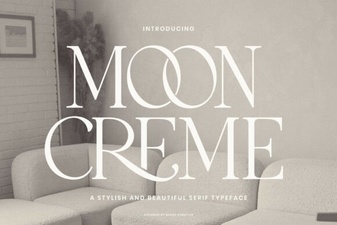
For those who enjoy exploring similar aesthetics, you might find interest in other elegant options available online. For instance, Moon Creme provides a comparable vibe with its own unique curvature. Exploring different serif options helps you understand how slight variations in stroke width can change the entire mood of a design. The goal is to match the personality of the typeface with the message of your brand.
Where Does This Typeface Work Best?
Identifying the right use case is critical for getting the most value out of your download. This font shines in contexts where refinement is key. Here are some specific scenarios where it performs well:
- Wedding Stationery: The thin lines pair beautifully with floral illustrations or watercolor backgrounds.
- Beauty Branding: Ideal for labels on skincare or cosmetics where a clean, high-end look is required.
- Fashion Lookbooks: Use it for headers or captions to maintain a minimalist editorial style.
- Certificates and Awards: The authentic serif structure adds formal weight to official documents.
Print-on-demand sellers should note that thin fonts can sometimes disappear on dark fabrics. It is best to use this on light-colored garments or ensure the print method supports fine details. Testing a sample before running a full production batch is always recommended to avoid readability issues.
How Do You Pair This With Other Fonts?
Typography rarely works in isolation. To create a balanced layout, you need a secondary font that complements the thin serifs without competing for attention. Sans-serif fonts often work well as body text because they provide a neutral contrast. However, mixing serif families can also create a rich, textured look if done carefully.
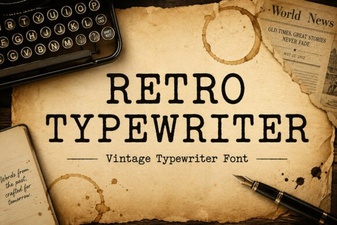
If you want to introduce a vintage element to your design, consider pairing this with retro typewriter styles. The mechanical feel of a typewriter font contrasts nicely with the polished elegance of a thin serif. This combination works particularly well for coffee shop menus or artisanal product labels where history and craft are part of the story.
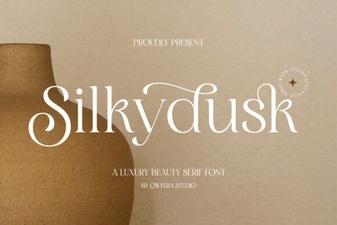
For a more cohesive luxury feel, you might stick within the same category. Fonts like Silkydusk offer another layer of sophistication that blends smoothly with this project. When pairing fonts, keep the hierarchy clear. Use the thin serif for headlines and a simpler font for the detailed information to guide the reader's eye naturally through the content.
Is It Suitable for Commercial Projects?
Most designers on platforms like Creative Fabrica offer licenses that cover both personal and commercial use, but you should always verify the specific terms. Typically, these fonts allow you to use them in products you sell, such as t-shirts, mugs, or digital templates. However, redistributing the font file itself is usually prohibited.
Before finalizing your project, check the detailed project page for any updates on licensing restrictions. Understanding the rules ensures you protect your business from potential legal issues down the line. It is also wise to keep a record of your license download in case you need to prove ownership later.
Practical Checklist for Using This Font
To ensure you get the best results from your typography choices, follow these steps before publishing your design:
- Check Contrast: Ensure the thin letters are visible against your background color.
- Test Readability: Print a sample at the actual size to confirm legibility.
- Verify Licensing: Confirm your intended use is covered under the commercial license.
- Pair Carefully: Limit your design to two or three typefaces maximum to avoid clutter.
- Save Versions: Keep both editable and flattened versions of your files for future edits.
Taking time to review these details will save you from costly mistakes. Good typography is an investment in your brand's perception, and choosing the right tools makes the process smoother. With the right application, this elegant serif can become a staple in your creative toolkit.
 Moon Creme Font: a Dreamy Typography Design Guide
 Creative Projects with Silkydusk Font
 Creative Projects with Retro Typewriter Fonts
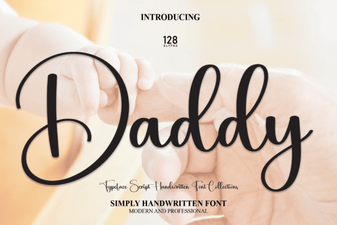 Daddy Font Style Guide & Free Download
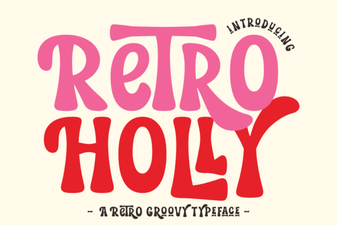 Retro Holly Fonts for Vintage Web Design
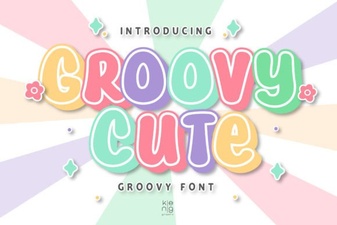 Groovy Cute Fonts for Creative Projects & Designs