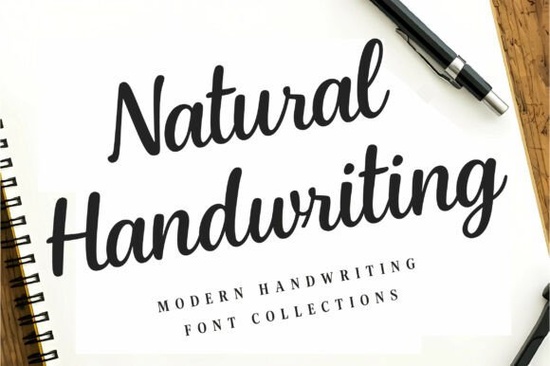
Finding a typeface that feels personal can be tricky for designers and crafters. Many scripts look too perfect or robotic, lacking the warmth of actual pen on paper. The Natural Handwriting Font solves this by mimicking genuine penmanship. It offers the clarity of a professional design with the warmth of a handwritten note. This balance makes it a strong choice for projects requiring authenticity.
For small business owners and print-on-demand sellers, this distinction is vital. Customers connect with brands that feel human. When you use a font that looks like it was written by hand, you build trust immediately. It signals that there is a real person behind the logo or product, which is essential in a crowded market.
Why choose a script that looks genuinely handwritten?
Legibility is often the biggest concern with script fonts. Some are too messy to read on small screens or printed products like mugs and t-shirts. This collection maintains flowing connections without sacrificing clarity. It works well for body text in quotes or larger headers on logos where readability is key.
If you need something even more minimal for specific branding elements, you might look at clean signature styles for a sharper look. However, for a friendly vibe that invites engagement, the moderate weight found in this typeface is ideal. It avoids the extremes of being too thin or too bold.
What projects benefit most from this style?
This typeface shines in personal communication and physical goods. Think thank-you cards included in packages or watermarks on photography portfolios. It adds a signature touch that says "made by me." This personalization can turn a standard transaction into a memorable customer experience.
Social media managers also find value here. Captions overlaid on images need to be read quickly while stopping the scroll. A relatable script performs better than a stiff serif in lifestyle niches. For seasonal campaigns, you might pair it with casual summer vibes to keep the mood light and engaging during warmer months.
Stationery designers will appreciate how well it renders on paper products. Journals, notebooks, and planners often require a font that looks organic. Since this script simulates real ink flow, it fits perfectly into layouts designed to look like handwritten notes or diary entries.
How does it fit with other font categories?
Design often requires pairing fonts to create hierarchy. While this script handles the emotional connection, you might need a secondary font for details. If you want something softer for baby-related products or gentle branding, soft rounded scripts could complement this style well without clashing.
Conversely, if you are targeting a different demographic, contrast is key. A bold, masculine sans serif might pair nicely if you are avoiding bold masculine scripts for the main logo but want them elsewhere for emphasis. Variety helps define brand voice and ensures your design appeals to the right audience.
For more inspiration on this specific style, you can explore more natural handwriting options to see how different weights affect the mood. Seeing variations helps you decide if this specific weight matches your current project needs.
What should you consider before using it commercially?
Always check the license terms before starting a project. Most Creative Fabrica products come with a POD license, but verifying usage rights for logos versus merchandise is smart. Ensure the file formats (OTF, TTF, WOFF) match your software needs, especially if you are working across different devices or web platforms.
Installation is usually straightforward, but testing the font in your design software is recommended. Check how the letters connect at different sizes. Sometimes a font looks great at 72 points but loses detail at 12 points. Scaling tests ensure your final product looks professional regardless of the medium.
Here is a quick checklist before you finalize your design:
- Check Legibility: View your text at actual size to ensure it is easy to read.
- Verify License: Confirm you have the right to use the font for commercial sales.
- Test Pairings: Try the script with a simple sans serif to see if they balance well.
- Export Correctly: Save your files in the right format for your printer or web host.
- Review Spacing: Adjust kerning if needed to maintain the natural flow of the letters.
Taking these steps ensures your work remains high quality. A great font is a tool, but how you use it determines the final result. Start with a small project to get comfortable with the letterforms before applying it to major branding assets.
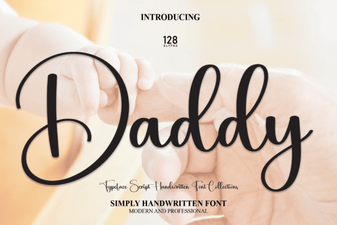 Daddy Font Style Guide & Free Download
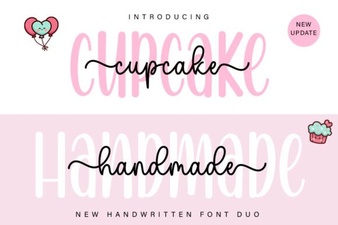 The Handmade Cupcake Duo Font for Creative Projects
 Fresh Hipster Fonts for Summer Design Projects
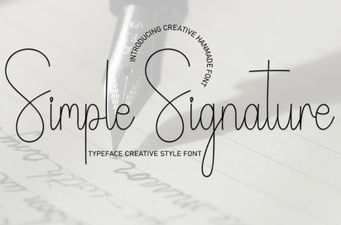 Signature Fonts for Clean, Creative Design Projects
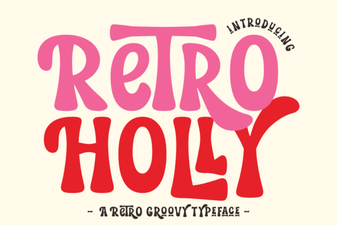 Retro Holly Fonts for Vintage Web Design
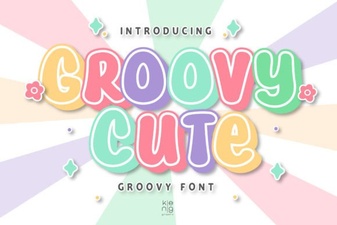 Groovy Cute Fonts for Creative Projects & Designs